Yoga for Kids is a fun and engaging way to help children develop strength, balance, coordination, and mindfulness from an early age. Through playful movements and simple poses, kids can improve body awareness while building confidence and learning healthy habits that support both physical and emotional well-being. Unlike traditional exercise programs, yoga encourages creativity, imagination, and self-expression, making it an enjoyable activity for children of all ages.
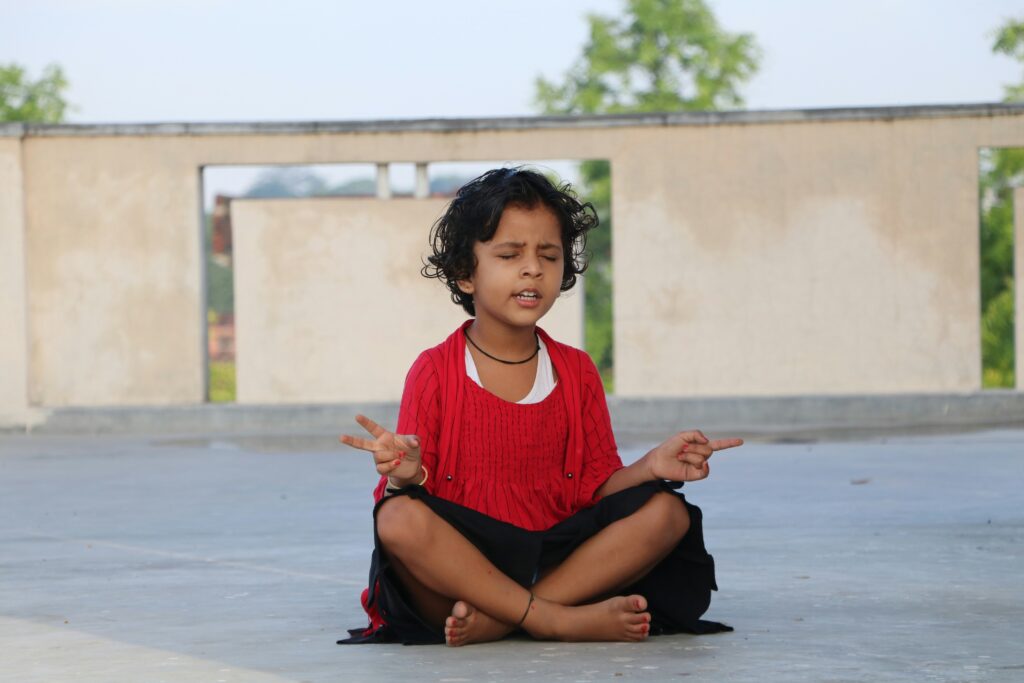
Here’s our young spider-man yogi putting a simple yoga routine into practice. Following along with guided movements helps children build body awareness, balance, and confidence while having fun.
Yoga for kids routine
The routine of yoga for kids shown in this video is a great example of how yoga can be both engaging and accessible for young practitioners. Each movement invites children to explore what their bodies can do while keeping the experience light-hearted and enjoyable.
The sequence begins in a seated position with a gentle spinal twist. Twisting poses help improve mobility in the spine and encourage children to become more aware of their posture. This simple movement also introduces an important yoga lesson: moving slowly and mindfully while paying attention to how the body feels.
Next comes a playful side-opening balance pose, supported by one hand on the floor while the opposite arm reaches toward the sky. Children often love poses like this because they feel strong, adventurous, and a little bit challenging. These movements build coordination, strengthen the arms and core, and help improve balance in a fun and natural way.
The practice then transitions into Tabletop Pose, with hands and knees on the floor. This foundational position develops stability and body awareness while strengthening the shoulders, arms, and core muscles. For children, tabletop movements can easily become part of an imaginative story—perhaps pretending to be a curious cat, a friendly puppy, or even a superhero preparing for action.
The routine of yoga for kids finishes lying on the back with the legs lifted toward the sky. This gentle inversion encourages circulation, allows tired legs to rest, and creates a calming ending to the practice. It gives children a chance to pause, breathe, and enjoy a quiet moment after moving their bodies.
When introducing yoga to children, the most important thing is to keep it playful. Young yogis are naturally drawn to stories, games, and imagination. Rather than correcting every detail of a pose, encourage exploration and celebrate effort. A child pretending to be a tree, an animal, or a superhero is often gaining far more from the experience than a child trying to achieve perfect alignment.
Short sessions are usually the most successful, especially for younger children. Even ten or fifteen minutes of movement can help improve focus, release excess energy, and create a positive relationship with physical activity. Music, storytelling, colorful yoga mats, and themed classes can make the experience even more enjoyable.
Most importantly, yoga should feel like a safe space where children can move, breathe, laugh, and be themselves. By introducing yoga for kids through play and encouragement, we help children build healthy habits that can support their physical and emotional well-being for years to come.
If you’d like to try this yoga for kids sequence yourself, watch with your children with our video or the Spider-Man routine and follow along at your own pace. It’s a simple and engaging practice designed especially for children.
Check out our complete collection of articles on Yoga, meditation, and Pranayama here.